H ShowcaseCommunityReel-Learn
Reel-Learn
An agent that learns desktop apps the way people do: by watching tutorial videos.
 by @ipsita-praharaj
Hackathon SF
What it does
Nobody reads the manual to learn Audacity's noise removal; they watch a tutorial. Reel-Learn gives a computer-use agent the same education: it watches the video, writes itself a plan, then does the job in the real app.
How it works
- Watch like a human. One agent scrubs and pauses a YouTube tutorial, no captions or transcripts.
- Write a checkpoint plan. Atomic steps, each with a frame from the video showing what success looks like.
- Do it for real. A second agent drives Audacity on a noisy recording; the noise floor must drop by 6 dB or the run fails.
- Learn from failure. Every break is classified and folded back into the plan as the next run's guardrail.
Built with
In the team's words
Reel-Learn
Agents that learn the way people do: by watching REELS (imitation learning by free reels)
Some tasks can't be Googled. Nobody reads documentation to learn Audacity's noise removal — they watch a YouTube tutorial, look at where the demonstrator clicks, and try it themselves. That knowledge is spatial, not verbal. So we gave a computer-use agent the same education.
The pipeline: one agent watches a YouTube tutorial the way a human would — scrubbing, pausing, looking at frames, no captions or transcripts. It distills what it saw into a checkpoint plan: atomic steps, each with a visual "this is what success looks like" frame harvested from the video itself. A second agent takes that plan and drives real Audacity on a real noisy recording. The output is verified by physics, not vibes: the noise floor must drop ≥6dB.
The twist: a skill that watches itself fail. Every run is logged click-by-click. When the agent breaks, the break is classified, folded back into the plan that caused it, and becomes the next run's guardrail. We measured where the agent fails — we didn't guess.
The finding : a plan-guided baseline anchored on a single instructed step and repeated a near-identical click ~40 times across a 76-step session — coordinates jittering <2% of screen — without ever noticing.
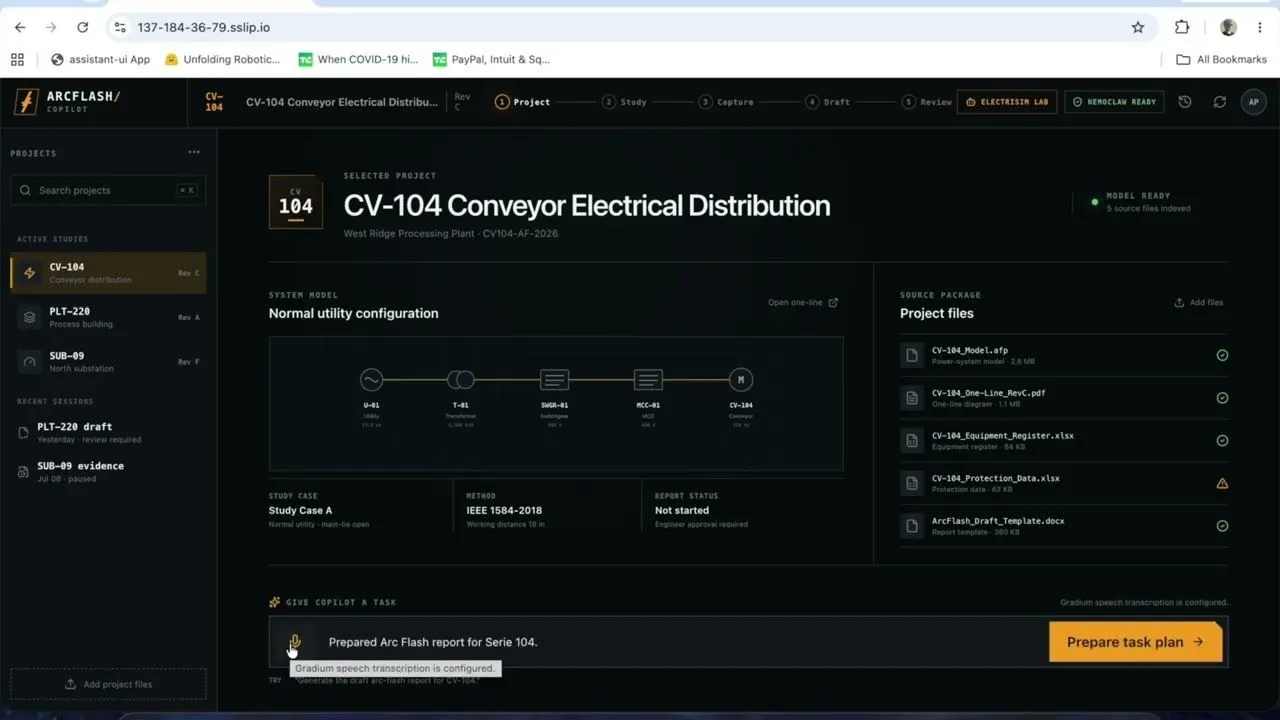
ArcFlash Copilot
Drafts arc-flash study reports in the browser, then stops for the engineer's approval.
 by @techadnank9
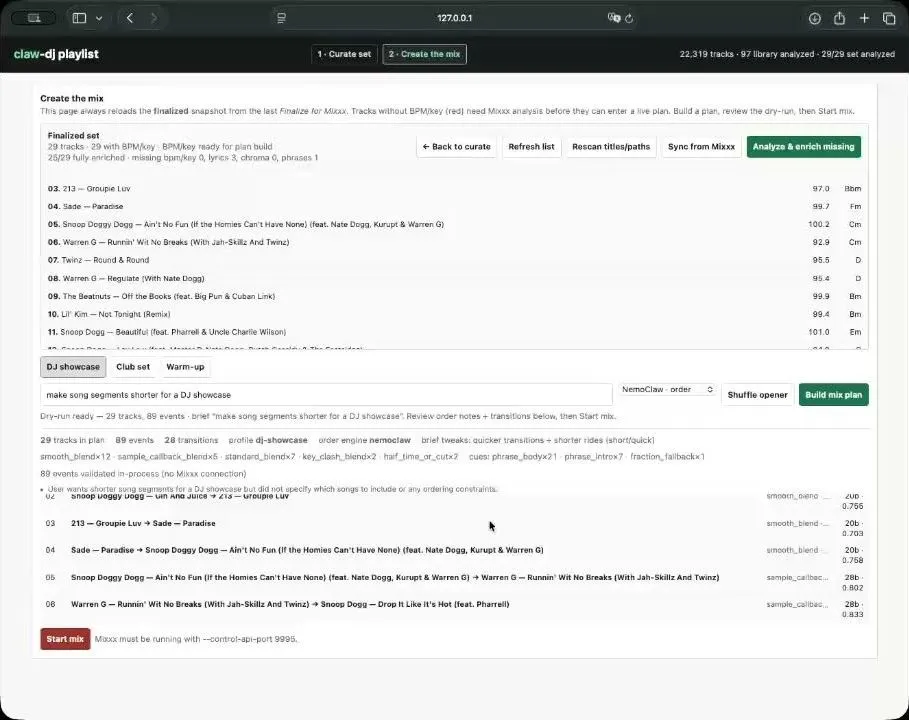

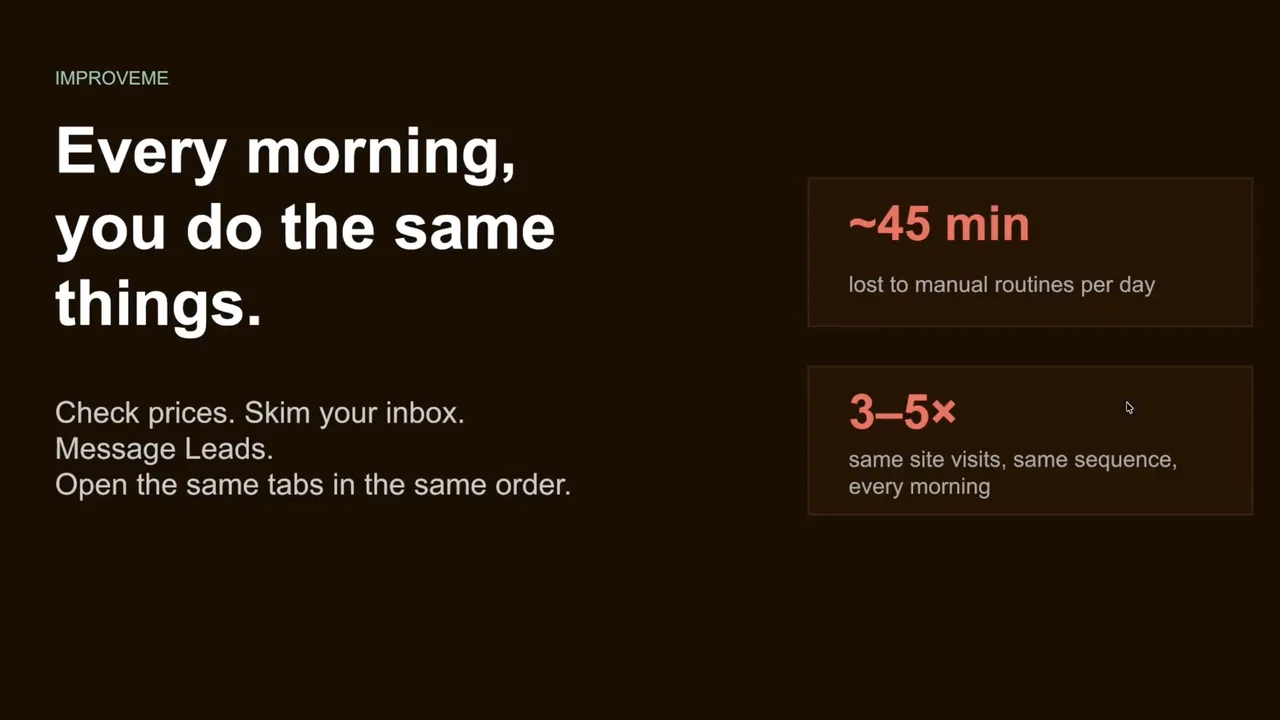
ImproveMe
Watches you work for a day, then replays your routines on a schedule with Holo.
 by @zach2940